
ATORVASTATIN: WHY ONE DOES DOESN’T SUIT EVERYONE
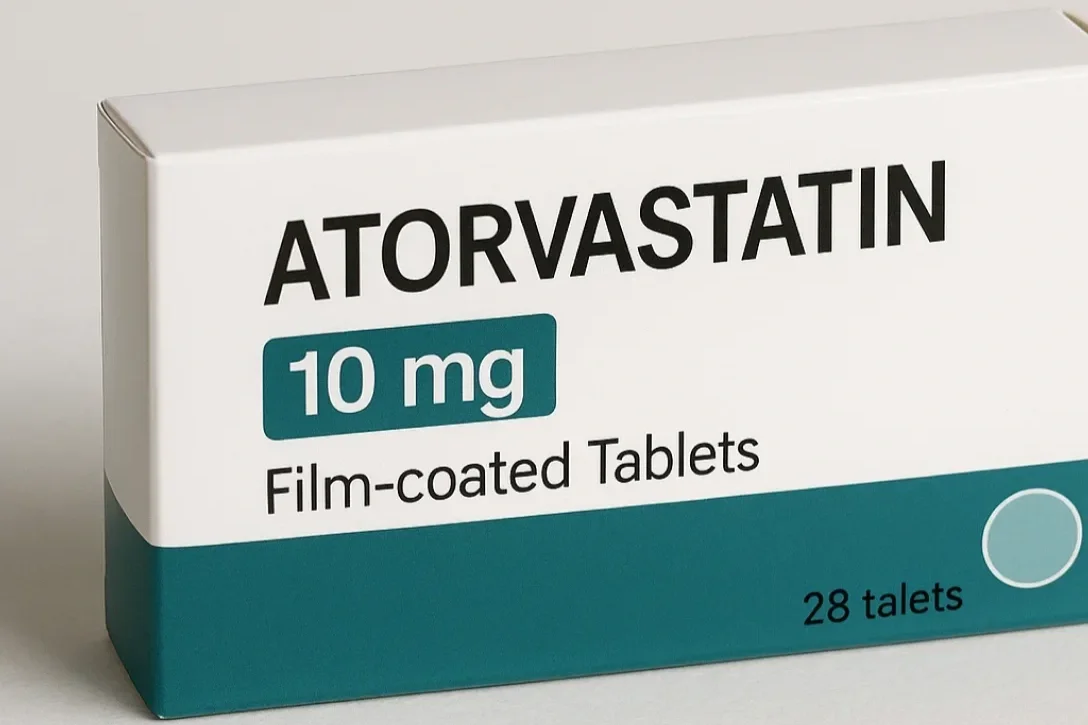
Atorvastatin is one of the most prescribed medications in the UK. It plays a major role in lowering LDL cholesterol and reducing the risk of heart attack and stroke.
For many people, it works well.
For others, the experience is more complicated.
Some see limited cholesterol reduction. Others struggle with muscle symptoms or fatigue and quietly stop taking it altogether. What’s often missing from the conversation is why responses vary so widely in the first place.
Why People Respond Differently to Atorvastatin
Atorvastatin doesn’t act in isolation. Once swallowed, it needs to be:
Transported into the liver
Metabolised efficiently
Maintained at the right level in the bloodstream
Genetic variation can influence each of these steps.
That means two people on the same dose can have very different outcomes – both in effectiveness and tolerability.
This variability isn’t about willpower, compliance or “not tolerating statins”. In many cases, it’s biological.
Muscle Symptoms Are Common But Not Random
Muscle aches, cramps or weakness are among the most common reasons people reduce their dose or stop Atorvastatin entirely.
What’s important to understand:
These symptoms don’t happen to everyone
They’re not always dose-related
They’re not a sign of damage in most cases
But they are associated with higher statin exposure in the blood, which in some people is influenced by genetics.
When Atorvastatin Becomes Hard to Stay On
Atorvastatin may not be the best long-term fit if you:
Develop persistent muscle pain or weakness
Feel fatigued or “flattened” after starting treatment
Have tried multiple statins with similar issues
Are concerned about committing to lifelong medication
Many people in this situation are told to “push through” or keep switching drugs. There is a more informed way to approach this.
Using Pharmacogenomic (PGx) Testing to Guide Statin Decisions
Pharmacogenomic (PGx) testing looks at genetic variants involved in how your body transports and processes medications, including statins.
For Atorvastatin, this can help explain:
Why side effects occur at standard doses
Why cholesterol reduction may be less than expected
Whether a different statin or dosing approach may be better suited
Rather than trial-and-error, PGx offers context.
For Clinicians
Why Genetics Matter in Statin Prescribing
Variants affecting statin transport can lead to increased systemic exposure
Higher exposure is associated with muscle symptoms and reduced adherence
Statin intolerance is a major contributor to treatment discontinuation
PGx-informed prescribing is supported by international clinical guidance
Understanding genetic risk early can help preserve long-term cardiovascular protection.
Where PGx Adds Value
Patients reporting muscle symptoms without clear biochemical abnormality
Individuals who need sustained lipid lowering over decades
Those with previous statin discontinuation
Preventive care where adherence is critical
For Patients
Why This Matters for Your Health
Statins only reduce cardiovascular risk if you can stay on them long-term.
If Atorvastatin doesn’t feel right for your body, that doesn’t mean treatment has failed – it means the approach may need refining.
PGx testing can help you and your clinician:
Understand your personal response to statins
Reduce unnecessary switching
Make informed decisions you feel confident sticking with
When to Consider PGx Testing
You might want to explore testing if:
You’ve struggled with statin side effects
You’ve stopped or reduced Atorvastatin without clarity
You want a more personalised prevention strategy
You’re early in treatment and want to get it right first time
A More Personalised Way to Approach Cholesterol Management
Atorvastatin remains a highly effective medication.
But personalisation matters, especially when treatment is long-term.
Mantara’s Pharmacogenomic (PGx) test is designed to support safer, more tailored prescribing – helping patients and clinicians move beyond guesswork and towards informed decisions.