

Resource Centre
Our aim is to provide easy access to the latest, most credible information about pharmacogenomics in the UK. From in-depth articles explaining the science behind PGx to training courses for healthcare professionals, our Resource Center is designed to educate, inform and empower individuals and practitioners alike.

AMITRIPTYLINE SIDE EFFECTS: WHAT GENETICS EXPLAINS, AND WHAT IT DOESN'T
Most people in the UK who take amitriptyline are not taking it for depression.
It's prescribed at low doses for neuropathic pain, migraine prevention, tension headache, IBS and sleep. NICE includes it among the options for neuropathic pain and for migraine prophylaxis. The doses used are a fraction of what was originally used to treat depression.
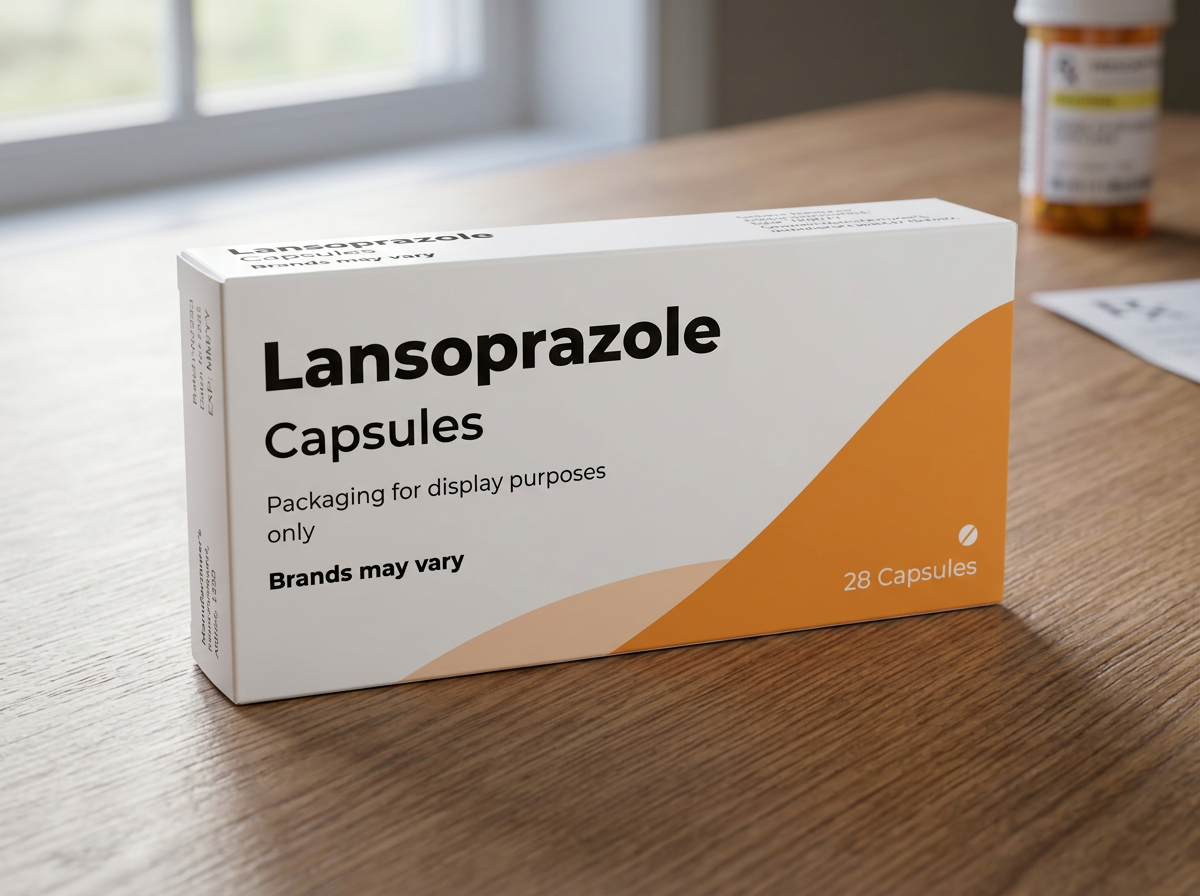
LANSOPRAZOLE: HOW QUICKLY YOU PROCESS IT CHANGES HOW WELL IT WORKS
Lansoprazole is one of the most widely used acid-suppressing medications in the UK. It's prescribed for reflux, indigestion, gastritis and the prevention of stomach ulcers.
For many people, it settles symptoms quickly. For others, relief is partial, short-lived, or slow to arrive at all.

SERTRALINE NOT WORKING, OR SIDE EFFECTS TOO STRONG? YOUR GENETICS MAY EXPLAIN IT
Sertraline is the most commonly prescribed antidepressant in the UK. It's used for depression, anxiety, panic disorder, OCD and PTSD, and NICE lists it among the first-line SSRI options.
For a lot of people it does exactly what it's meant to do. For others the picture is messier.

SIMVASTATIN AND MUSCLE PAIN: THE GENE THAT CHANGES YOUR RISK
Simvastatin has been one of the most prescribed drugs in the UK for decades. It lowers cholesterol, and in people at raised cardiovascular risk it reduces the chance of heart attack and stroke. It also has a reputation, and the reputation is mostly about muscles.
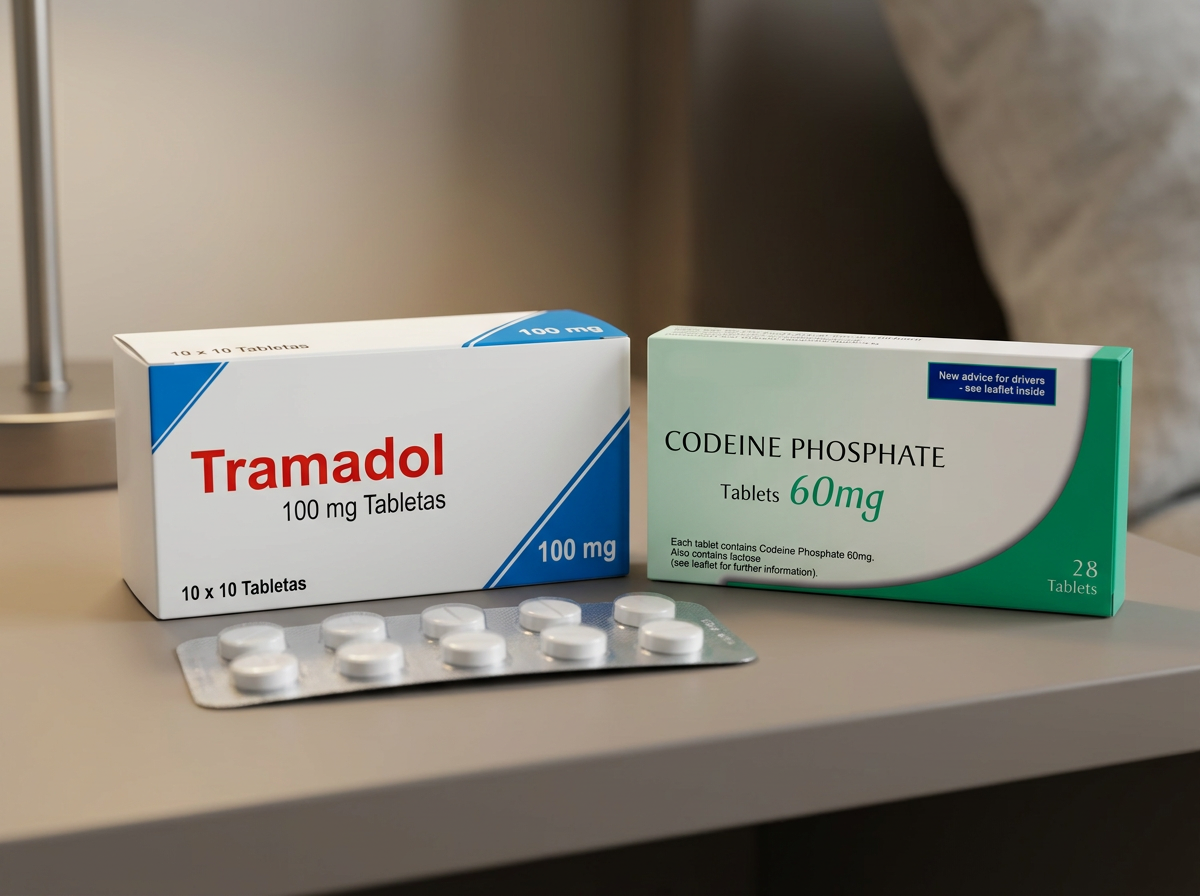
CODEINE AND TRAMADOL: THE PAINKILLERS THAT DEPEND ON A GENE YOU'VE PROBABLY NEVER BEEN TESTED FOR
Simvastatin has been one of the most prescribed drugs in the UK for decades. It lowers cholesterol, and in people at raised cardiovascular risk it reduces the chance of heart attack and stroke. It also has a reputation, and the reputation is mostly about muscles.

CITALOPRAM AND ESCITALOPRAM: WHY THE MAXIMUM DOSE ISN'T THE SAME FOR EVERYONE
Citalopram is one of the most prescribed antidepressants in the UK. Escitalopram is its close relative, containing only the active half of the same molecule. Both come with something most antidepressants don't have: a hard ceiling on the daily dose, set by the regulator rather than by the prescriber's judgement.

Is PGx Testing Cost-Effective for the NHS? What New UK Modelling Shows
The clinical case for pharmacogenomic (PGx) testing has been building for years. The question that decides whether it reaches NHS patients at scale is a different one: does it represent value for money?

OMEPRAZOLE: WHY IT WORKS BRILLIANTLY FOR SOME AND NOT FOR OTHERS
Omeprazole is one of the most commonly prescribed medications in the UK. It’s used to reduce stomach acid and is widely given for reflux, indigestion, gastritis and ulcer prevention.
For many people, it brings rapid relief. For others, symptoms linger, return quickly when treatment stops, or never fully resolve.

ATORVASTATIN: WHY ONE DOES DOESN’T SUIT EVERYONE
Atorvastatin is one of the most prescribed medications in the UK. It plays a major role in lowering LDL cholesterol and reducing the risk of heart attack and stroke.
For many people, it works well.
For others, the experience is more complicated.

TAKING CLOPIDOGREL? HERE’S WHY A PGx TEST COULD MAKE A DIFFERENCE
Clopidogrel is a widely prescribed antiplatelet medication, often given after a heart attack, stroke, or stent placement. But not everyone processes it in the same way.

THE NHS 10-YEAR PLAN: WHAT IT MEANS FOR PHARMACOGENOMICS
Discover what the NHS 10-Year Plan means for Pharmacogenomics (PGx) and personalised medicine. Learn how PGx supports proactive, efficient, and equitable care, aligned with NHS priorities.

THE PROBLEM WITH ANTIDEPRESSANTS
Antidepressants can be a crucial part of treating depression and anxiety, but they come with several challenges and potential issues.

WEBINAR: TRANSFORMING PATIENT OUTCOMES WITH PERSONALISED MEDICINE
Join us for an informative and inspiring webinar on Pharmacogenomics, led by Mantara Health’s Founder and Chairman, Dr Mark Hudson-Peacock.

NICE RELEASES NEW GUIDELINES FOR CLOPIDOGREL PRESCRIPTION
NICE has issued new guidelines on the use of Clopidogrel, recommending pharmacogenomic (PGx) testing before prescribing the medication to patients who have previously experienced a stroke or TIA.

Clopidogrel, Stroke Prevention & Pharmacogenomics
Studies show that 30% of individuals have genetic variants that prevent Clopidogrel, a commonly prescribed medication for stroke & heart attack prevention, from working.

NHS England: Clopidogrel & PGx
Some individuals have genetic variants in the CYP2C19 gene, which can have an impact on the efficacy of clopidogrel, a stroke-prevention drug.

NHS England: Introduction to Pharmacogenomics
NHS England has released a highly informative educational resource on pharmacogenomics, now available on Health Education England’s (HEE) website.

Mantara Among Top 10 Precision Medicine Trends in 2024
We are proud to announce that Mantara Health has been recognised as one of the top 10 precision medicine trends in 2024 in a global report by StartUs Insights.

Mantara Wins Prestigious PING Innovation Award 2023
We are delighted to share the news that we have won the 2023 PING Innovation Award for our transformative pharmacogenomics (PGx) saliva-based test, another major step in personalised medicine.

BBC: Offer Gene Test to Stroke Patients, NHS Told
People who have had a stroke caused by a blood clot should have a DNA test to see whether they can be given a drug to help prevent more brain attacks, new draft guidelines for the NHS say.
