
LANSOPRAZOLE: HOW QUICKLY YOU PROCESS IT CHANGES HOW WELL IT WORKS
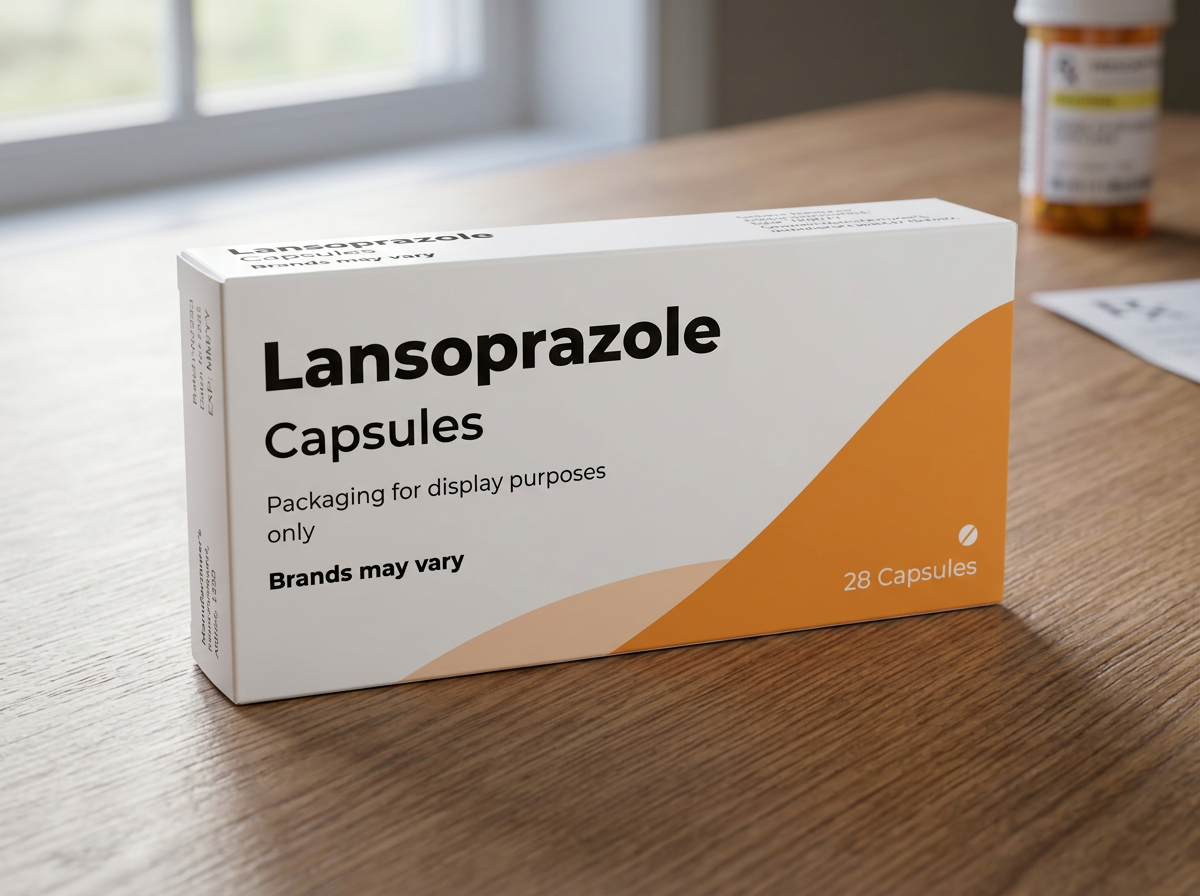
Lansoprazole is one of the most widely used acid-suppressing medications in the UK. It's prescribed for reflux, indigestion, gastritis and the prevention of stomach ulcers.
For many people, it settles symptoms quickly.
For others, relief is partial, short-lived, or slow to arrive at all.
What's rarely discussed is that people break Lansoprazole down at very different speeds, and that difference is largely inherited.
Why Response to Lansoprazole Varies So Much
Lansoprazole belongs to a group of medicines called proton pump inhibitors (PPIs). They work by switching off the acid-producing pumps in the stomach lining.
For that to happen properly, Lansoprazole has to be absorbed, cleared from the body at the right speed, and held at a therapeutic level long enough to keep acid suppressed.
It is broken down mainly by an enzyme called CYP2C19, with a smaller contribution from CYP3A4. Genetic variation in CYP2C19 is common, and it changes how much of the drug stays in circulation. The same dose can be more than enough for one person and not nearly enough for another.
When Lansoprazole Doesn't Fully Do the Job
Lansoprazole may not be doing its job if you:
still get reflux or heartburn despite taking it daily
need a higher or more frequent dose for the same relief
relapse quickly once you stop
have been taking it for years without a clear review
have had a course of H. pylori eradication that didn't work first time
In some cases the issue isn't the diagnosis or how reliably you take the tablets. It's how your body handles the drug.
Side Effects and Long-Term Use
Lansoprazole is generally well tolerated. The side effects reported most often are headache, diarrhoea, nausea, abdominal pain and dizziness.
Long-term use has a small number of recognised considerations. UK guidance highlights low magnesium levels, a possible increase in fracture risk, reduced vitamin B12 absorption, a higher risk of gut infections, and a very low risk of a skin reaction called subacute cutaneous lupus erythematosus. Rebound acid symptoms are also common when stopping after prolonged use.
None of these are reasons to stop treatment on your own. They are reasons to review it with your clinician, particularly after long-term use.
How Pharmacogenomic (PGx) Testing Fits In
Pharmacogenomic (PGx) testing looks at genes involved in drug metabolism, including CYP2C19.
Some variants speed the enzyme up, clearing Lansoprazole faster and lowering exposure, which can mean weaker acid suppression. Others slow it down, raising exposure. Knowing which group someone falls into helps explain why a standard dose hasn't behaved as expected.
For Clinicians
Clinical Considerations
Lansoprazole is primarily metabolised by CYP2C19, with CYP3A4 as a secondary pathway
CYP2C19 phenotype influences plasma exposure, degree of acid suppression and H. pylori eradication success
Rapid and ultrarapid metabolisers show lower exposure and may achieve inadequate symptom control on standard dosing
Intermediate and poor metabolisers show higher exposure, generally with equal or improved efficacy rather than increased toxicity
CPIC and DPWG both publish CYP2C19-guided recommendations covering Lansoprazole specifically, including increased dosing in rapid and ultrarapid metabolisers
Microscopic colitis has been reported in association with Lansoprazole and is worth considering in chronic watery diarrhoea on treatment
Why PGx Is Useful in Practice
Explains incomplete response before escalating dose or revisiting the diagnosis
Supports rational dose adjustment or selection of a less CYP2C19-dependent PPI
Relevant to H. pylori eradication, where first-line failure is costly
Valuable in long-term PPI users where step-down or deprescribing is being considered
A single result informs future prescribing across other CYP2C19 substrates
For Patients
Why This Matters for You
If Lansoprazole hasn't worked as well as you hoped, it doesn't mean your symptoms aren't real, and it doesn't mean nothing else will help.
PGx testing can help you and your clinician understand how quickly your body clears PPIs, judge whether Lansoprazole is the right choice for you, and consider alternatives with more confidence. Any change to your medication should be made with your clinician.
When to Consider PGx Testing
Lansoprazole hasn't settled your symptoms
You've needed increasing doses over time
Symptoms return quickly whenever you stop
You've been taking a PPI for years
You want a more personalised approach before trying another medication
A More Individual Approach to Acid Suppression
Lansoprazole is an effective medicine when it's the right fit at the right dose. Standard dosing simply doesn't account for the fact that people clear it at very different rates.
Personalisation matters most when treatment is long-term. Mantara's Pharmacogenomic (PGx) test looks at CYP2C19 and other genes relevant to how medicines are processed, giving patients and clinicians clearer information to work with.